Blog
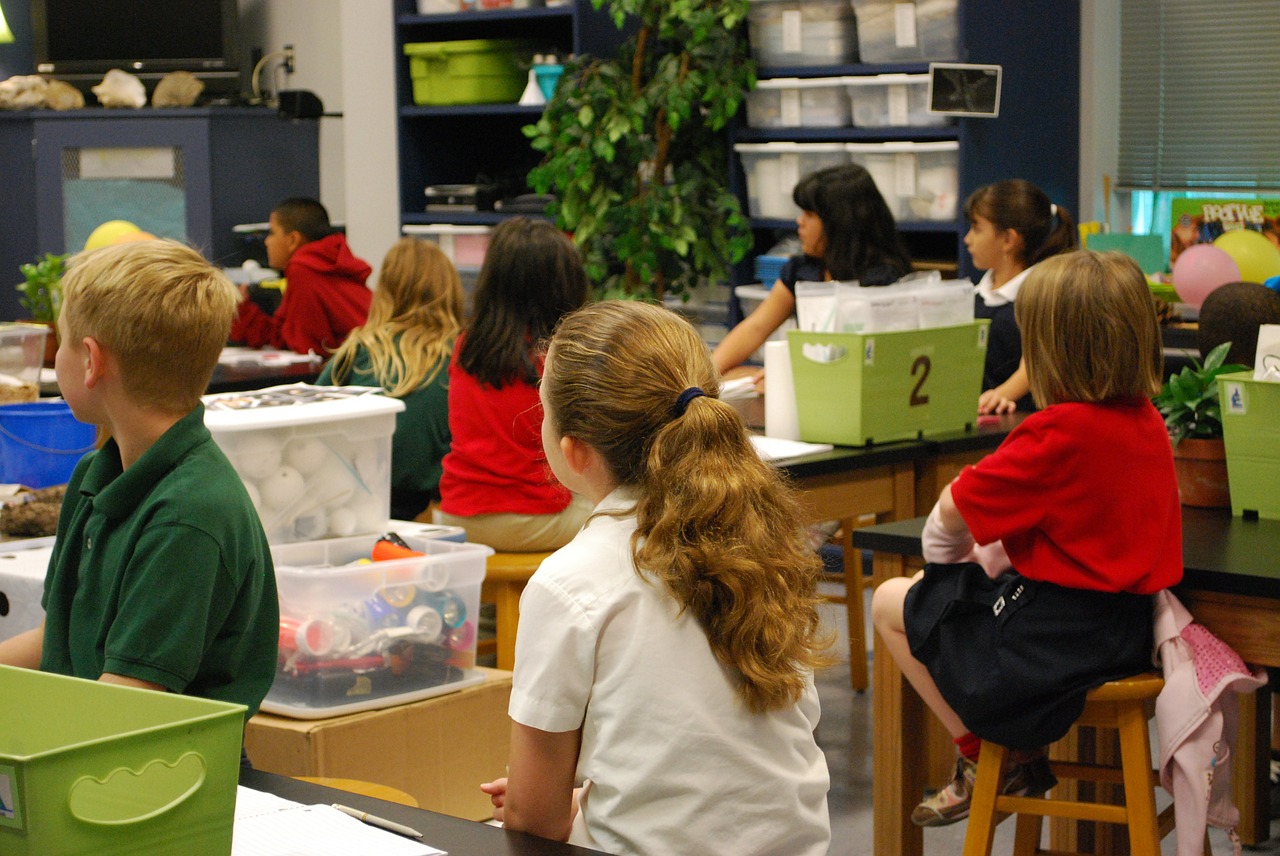 Many issues are under the focus of education activists and researchers, but shouldn’t it be simple to concur on the necessity of lower class sizes in PreK-12 classrooms? Maybe. Continue reading to learn more. When we talk about small class sizes, we generally refer to elementary school classrooms with 20 or fewer students and high school courses with 20 to 25 students. Small class sizes are popular among parents, teachers, and politicians to improve academic attainment and handle classroom management issues. In the previous two decades, at least 80% of the states in the union have implemented some kind of class size reduction law or policy.
Despite more than forty years of research, the success of this common technique is surprisingly difficult to assess, leading to several disputes. According to most education scholars, small class sizes in primary school are associated with improved academic success and graduation rates for students from poor socioeconomic backgrounds.
Their argument is over whether the benefits of lower class sizes warrant the astronomical price tag, especially where education funding is scarce. These researchers have recently attempted to determine the processes that allow reduced class sizes to operate and who benefits the most.
Here are some of the more intriguing findings from their study:
Small class sizes are beneficial because they allow teachers to provide more tailored teaching to students, which is likely why academic attainment improves. Teachers can boost their efficacy without necessarily changing what they are doing.
In smaller groups, classroom management attempts are more effective. Children appear to be paying greater attention as well.
For smaller class sizes to operate, they must be accompanied by appropriate administrative and parental assistance.
Many issues are under the focus of education activists and researchers, but shouldn’t it be simple to concur on the necessity of lower class sizes in PreK-12 classrooms? Maybe. Continue reading to learn more. When we talk about small class sizes, we generally refer to elementary school classrooms with 20 or fewer students and high school courses with 20 to 25 students. Small class sizes are popular among parents, teachers, and politicians to improve academic attainment and handle classroom management issues. In the previous two decades, at least 80% of the states in the union have implemented some kind of class size reduction law or policy.
Despite more than forty years of research, the success of this common technique is surprisingly difficult to assess, leading to several disputes. According to most education scholars, small class sizes in primary school are associated with improved academic success and graduation rates for students from poor socioeconomic backgrounds.
Their argument is over whether the benefits of lower class sizes warrant the astronomical price tag, especially where education funding is scarce. These researchers have recently attempted to determine the processes that allow reduced class sizes to operate and who benefits the most.
Here are some of the more intriguing findings from their study:
Small class sizes are beneficial because they allow teachers to provide more tailored teaching to students, which is likely why academic attainment improves. Teachers can boost their efficacy without necessarily changing what they are doing.
In smaller groups, classroom management attempts are more effective. Children appear to be paying greater attention as well.
For smaller class sizes to operate, they must be accompanied by appropriate administrative and parental assistance.
Students in smaller groups appear to do better than those in bigger ones. We always knew that, but it’s wonderful to have scientific evidence to back it up.
If the actual area in which they are gathered is reduced, smaller class sizes do not have the same good impacts. The more room you have, the better it is.
Smaller class sizes assist students with special needs. To be clear, we are talking about students with impairments who are integrated into normal education classes.
Students were shown to be more attentive and have stronger interactions with their teachers and classmates in classrooms with fewer students.
Students in smaller groups spent more time on the assignment than students in larger groups.
Small-classroom teachers said they had additional time to differentiate lessons.
Students who had small class sizes in elementary school were more inclined to maintain their achievement throughout their K-12 careers and attend college.
Teacher retention is improved when class sizes are kept small. Retention rates rise as class sizes decrease.
The quality of the teachers might influence the efficacy of smaller classes. If you put a lousy teacher in a classroom with 20 or fewer students, the outcomes will certainly be terrible. Supports such as professional development and high-quality curricular resources can help to maximize the benefits of smaller classes.
That is all there is to it. Smaller class sizes have a favorable influence on PreK-12 students’ academic success, engagement, and conduct when the conditions are perfect. What are your thoughts regarding this? Is there something we are overlooking?